Things to Do in Tunis in February
February weather, activities, events & insider tips
Low Season · Budget Friendly
February Weather in Tunis
Temperature, rainfall and humidity at a glance
62°F (16°C)
High Temp
46°F (8°C)
Low Temp
2.2 inches (56 mm)
Rainfall
70%
Humidity
⚠ Rain falls on roughly 10 days this month, turning Medina cobbles and open archaeological sites slippery. Wear grippy waterproof footwear.
⚠ Cold, damp nights near 8°C (46°F) combined with largely unheated traditional buildings can make indoor evenings uncomfortable without warm layers.
Is February Right for You?
Weigh the advantages and considerations before booking
Advantages
- + February is Tunis at its quietest and cheapest. The cruise crowds that clog the Medina's covered souks in summer are gone, so you can stand inside the Zitouna Mosque courtyard or wander the dye-stained lanes behind Souk des Teinturiers without being shoulder-to-shoulder with tour groups. Riads in Sidi Bou Said and the old town drop their rates well below summer peak, and you'll often have the mosaic halls of the Bardo National Museum almost to yourself.
- + The light is extraordinary and the air is washed clean. After a rain shower, the blue-and-white houses of Sidi Bou Said gleam against a sky that turns deep cobalt, and the cool 17°C (62°F) afternoons make the steep cobbled climb up to Café des Délices pleasant rather than the sweat-soaked ordeal it becomes in July. This is the month photographers wait for.
- + Citrus season peaks. February is when the Cap Bon oranges and the bitter Seville-style oranges flood the markets, and Tunisois kitchens fill with the smell of bitter-orange blossom water being distilled for pastries. Street vendors near Bab el Bhar pile carts with fruit, and cafés serve fresh-squeezed orange juice that tastes nothing like the bottled stuff back home.
- + It's prime season for the indoor and archaeological Tunis that the heat ruins in summer. Walking the ruins of Carthage on the Byrsa hill, exploring the underground Roman cisterns, or spending three hours among the Bardo's mosaics is a pleasure at 15°C (59°F). Cool weather is the right weather for the things people come to Tunis to see.
Considerations
- − It rains, and the Medina floods in the awkward way that old cities do. With 10 wet days and 2.2 inches (56 mm) spread across the month, you should expect roughly one day in three to bring grey skies or showers. The Medina's marble-worn lanes get slick and the open-air sections of Carthage turn to mud, so a fully outdoor-only itinerary will get derailed at least once.
- − Evenings are cold and most older buildings aren't built for it. Lows around 8°C (46°F) feel sharper because traditional Tunis houses and many budget riads have stone floors, high ceilings, and little or no central heating. You'll want layers indoors, not just outdoors, and the damp 70% humidity makes the cold cling.
- − The beach and seaside-resort version of Tunisia is effectively closed. La Marsa and Gammarth's waterfront cafés stay open but the Mediterranean is too cold and rough to swim, many seasonal beach clubs are shuttered, and day trips to Hammamet or Sousse lose much of their point in February. If sun-and-sand is your goal, this is the wrong month.
Best Activities in February
Top things to do during your visit
Carthage Archaeological Site Walking Tours
February's cool, clear air is good for the large, almost entirely outdoor ruins of ancient Carthage spread across the hillside above the Bay of Tunis. The Antonine Baths, the Punic ports, and the Byrsa Hill museum involve hours of walking with no shade, which is punishing in summer but comfortable at 15-17°C (59-62°F). Crowds are thin, so you can sit among the toppled columns with the sea breeze and have the place feel ancient rather than mobbed.
Booking Tip: Book a guided half-day tour 5-7 days ahead through licensed operators who can decode the scattered, poorly-signed sites (the ruins span several kilometres and aren't intuitive on your own). Look for guides with formal archaeology accreditation and check current options in the booking section below. Aim for a morning slot to leave afternoon flexibility if rain rolls in.
Medina of Tunis Guided Heritage Walks
The UNESCO-listed Medina is the one Tunis experience that improves in the rain, the covered souks of perfumers, coppersmiths, and chèche-cloth sellers stay dry while the open courtyards empty out. February's low season means shopkeepers have time to talk, demonstrate, and pour you mint tea rather than rushing the summer crush. You'll smell cedar shavings, jasmine essence, and grilling merguez drifting from the food lanes near Bab el Bhar.
Booking Tip: A licensed local guide is worth it here, the Medina is a deliberate maze and the best palaces-turned-museums (like Dar Lasram) are behind unmarked doors. Book 3-5 days ahead and ask specifically for a guide who covers craft workshops, not just a shopping route. See current walking tours in the booking section below.
Bardo National Museum Mosaic Tours
This is the rainy-day insurance every February visitor needs. The Bardo holds the world's greatest collection of Roman mosaics, and a wet afternoon is the perfect excuse to spend three or four hours among the room-sized floor scenes of Neptune, gladiators, and Virgil. Because it's fully indoor and heated, it's also where you go to escape the 8°C (46°F) evening chill. Off-season means the great halls aren't packed.
Booking Tip: Book an early-afternoon guided slot 7-10 days ahead so a knowledgeable guide can walk you through the mythology and dating of the key mosaics, the labelling alone won't give you the story. Confirm the museum's open days when reserving, as winter hours are sometimes shorter. Current tour options appear in the booking section below.
Sidi Bou Said Village Photography Walks
The clifftop village of blue doors and whitewashed walls is at its most photogenic in February, when the post-rain light is sharp and the summer hordes that fill the single main lane are gone. You can linger over a bitter-orange-blossom coffee at the historic Café des Nattes, climb to the lighthouse for the bay view, and photograph the famous bougainvillea-framed doorways without waiting in line. Bring a light jacket, the sea wind up here bites.
Booking Tip: This works as a self-guided half-day, but a photography-focused or cultural walking tour booked 5-7 days ahead will get you to the quieter upper lanes and the Dar el-Annabi house-museum that most visitors miss. Look for small-group operators. See booking section below for current options.
Tunisian Food and Citrus-Season Market Tours
February is peak citrus and cool-weather comfort-food season, prime for a culinary walking tour through the Central Market (Marché Central) and Medina food lanes. Locals queue for steaming bowls of lablabi, chickpea soup punched up with harissa, cumin, and a cracked egg, to beat the damp chill. Brik à l'oeuf sizzles in the fryer beside carts heaped with Cap Bon oranges. The smells, charred merguez, toasted cumin, orange-blossom, cut sharper in the cold air.
Booking Tip: Book a morning market-and-tasting tour 7-10 days ahead. Small-group winter tours run less frequently than in high season. Pick operators that include a sit-down tasting so a rainy spell does not end the experience. Reference the booking widget below for current food tours.
Day Trips to Dougga and Roman Tunisia
February's mild, rain-washed days favor the inland Roman cities an hour or two from Tunis. The countryside turns green and the great theatre and capitol of Dougga rise above wildflower-dotted hills, not parched summer brown. Cool temperatures make long walking and the lack of shade manageable. You will often share the vast site with only a handful of other people.
Booking Tip: Book a full-day guided trip 10-14 days ahead. The site is remote, public transport is impractical, and a driver-guide is the realistic way to go. Confirm pickup time and weather flexibility, since heavy rain occasionally affects the access roads. Current day-trip options are in the booking section below.
Where to Stay in Tunis in February
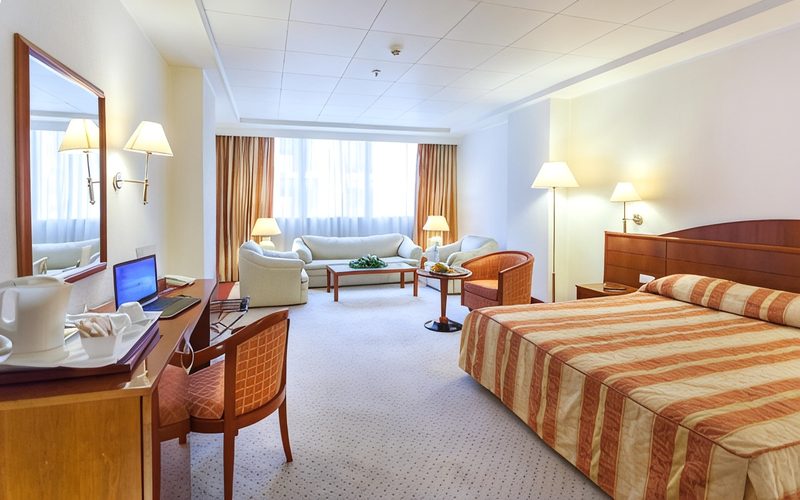
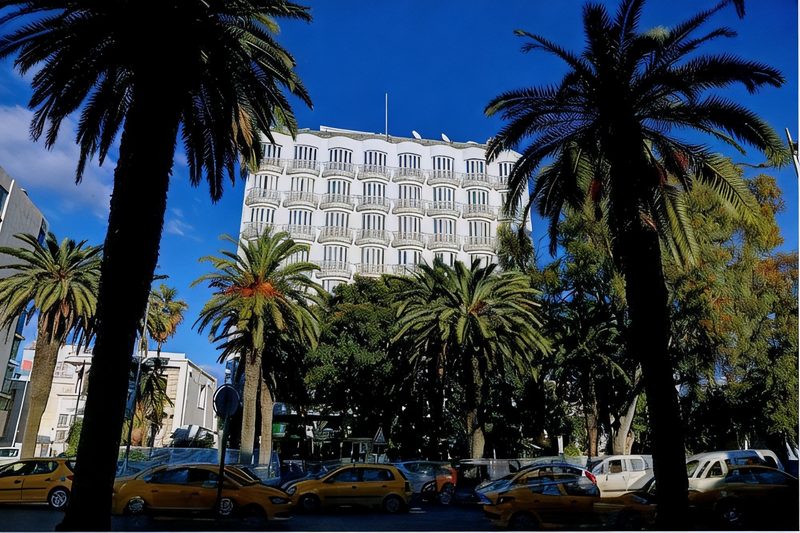
Hand-picked hotels across price tiers for February travellers.
Packing Checklist
Bookmark this page — your progress is saved between visits
Need the full list with shopping links?
Climate-specific gear, brand recommendations, and what to leave at home.
View Tunis Packing List →Essential Tips
Insider knowledge and common pitfalls to avoid
Insider Knowledge
Tunisois treat February as soup-and-citrus season. Look for lablabi served at hole-in-the-wall counters around the Medina from mid-morning. Locals eat it to push back the damp cold, and the version with extra harissa, a cracked egg, and torn bread soaking at the bottom is the real one.
Time the weather, not the clock. February showers roll through in bursts, so build flexible days. Pair an outdoor morning at Carthage or Sidi Bou Said with an indoor backup like the Bardo or the Medina's covered souks that you can pivot to if the sky turns.
The Cap Bon oranges flooding the markets this month make the freshly-squeezed juice at café terraces worth ordering. It is a seasonal high point that summer visitors never taste, since the citrus harvest is a winter thing.
Sidi Bou Said and the Bardo are best visited on weekday mornings even in low season. February brings out Tunis families on weekends, and the village's single main lane and the museum's marquee mosaic halls fill up with locals on Saturdays and Sundays.
Avoid These Mistakes
Avoid packing only for warmth-or-rain and forgetting the evening cold. Daytime can feel pleasantly mild at 17°C (62°F), but visitors routinely underdress for the 8°C (46°F) nights in unheated stone buildings and spend the trip shivering at dinner.
Do not plan a beach-focused itinerary. People book Tunis in February expecting Mediterranean sun and arrive to a cold, rough sea and shuttered beach clubs at La Marsa and Gammarth. February is for ruins, museums, and the Medina, not swimming.
Do not try to navigate Carthage's ruins without a guide or a plan. The site is scattered across several kilometres of hillside with poor signage, and first-timers waste half a rainy day wandering between disconnected sections instead of seeing the Antonine Baths and Byrsa Hill efficiently.
Ready to plan your trip to Tunis?
Now that you've got the research covered, here's where to go next.
Book Experiences in Tunis
Top-rated things to do in Tunis this February


Explore More Activities in Tunis
Didn't see anything interesting yet?
Browse Viator's full catalog of tours, day trips, food experiences, and private guides in Tunis.
See All Tunis Tours on Viator